
Quality Log Home Care
P
roviding
With the help of Log Pro Restoration, you can cut costs and repair time. We are currently scheduling. Contact us to book an appointment.
What We Do
We have developed an understanding and appreciation of what is required to easily maintain your log home. We can solve your long-term maintenance problems with cost-effective solutions. Get in touch with us to get started.
S
ince 1987,
We've been improving log homes
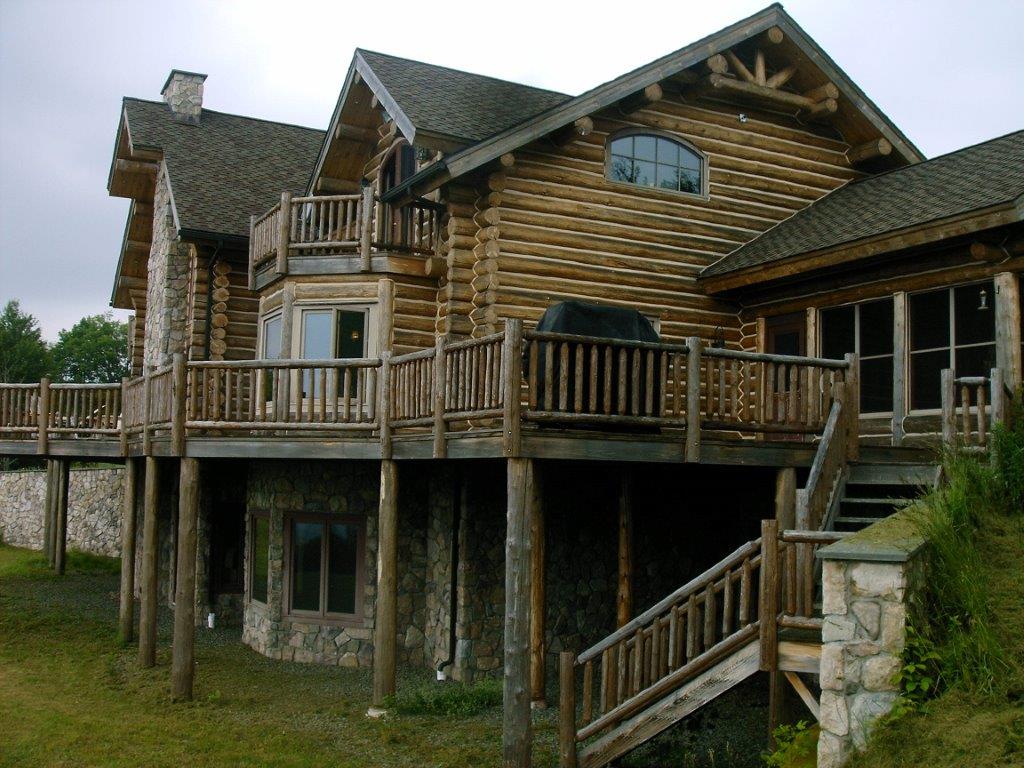
We are the premium log home experts in the Pennsylvania and New Jersey area. We are now proudly serving Delaware and Maryland as well. Log-Pro has two goals in mind: to give you a beautiful log home and help you keep your home pristine for years to come. We will not only repair any damaged, rotten or bug infested log home but we will help you to prevent damage to your precious home. Our services include thermal evaluations, staining & sealing, repair & restoration and many more for your log home! We can fully survey and assess your property and help you decide what service is right for you.
Have You Worked With Log Pro Before?
Leave us feedback
Log Pro also works on Homes Made By
- Vermont Real
- Lok-N-Log
- Kuhn's Brothers
- Barna
- Southland
- Lincoln Logs
- Real Log
- Hearthstone
- Heritage Log
- Ward Cedar Log Homes
- Chestnut Log Homes
- Cedar Log Homes
- Historical Log Homes
- Crocket Log Homes
-
Country Log Handcrafted
Full Log